PCOS & PCOD: Understanding Common Women's Health Concerns
PCOS and PCOD are commonly discussed women's health concerns that can affect menstrual cycles, hormonal balance, ovulation, and reproductive health. The symptoms and their impact can vary from woman to woman, making individual medical guidance important.
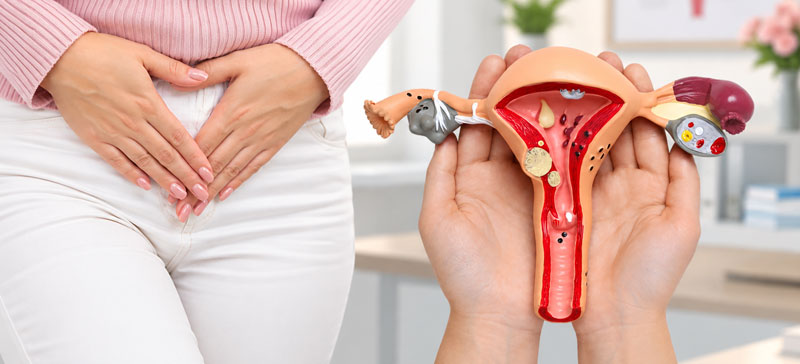
Understanding the common signs and concerns associated with PCOS and PCOD can help women recognize changes in their health and know when it may be helpful to consult a gynecologist.
What Are PCOS and PCOD?
Polycystic Ovary Syndrome (PCOS), also commonly referred to as PCOD, is a condition associated with changes in hormonal and reproductive health. It can affect women differently, and not every woman experiences the same symptoms.
Menstrual irregularities, changes in ovulation, hormonal concerns, and reproductive health issues may be associated with PCOS. A proper medical consultation is important to understand individual symptoms rather than assuming that every menstrual or hormonal change is caused by PCOS or PCOD.
Common Concerns Associated with PCOS & PCOD
PCOS-related concerns can vary in type and severity. Some women may experience only menstrual changes, while others may have concerns related to hormonal health, weight, or fertility.
- Irregular Periods: Changes in the timing or regularity of menstrual cycles.
- Ovulation Concerns: Changes in ovulation that may affect menstrual health or conception.
- Hormonal Changes: Hormonal imbalance that may contribute to different symptoms.
- Weight-Related Concerns: Some women may experience changes in weight or difficulty managing weight.
- Fertility Concerns: Changes in ovulation may sometimes be associated with difficulty conceiving.
Having one or more of these concerns does not necessarily mean that a woman has PCOS or PCOD. A gynecological consultation can help assess the symptoms and determine whether further evaluation is appropriate.
How Can PCOS Affect Menstrual Health?
One of the commonly noticed concerns associated with PCOS is an irregular menstrual cycle. Periods may occur less frequently or follow an unpredictable pattern because of changes in ovulation and hormonal balance.
Women experiencing persistent changes in their menstrual pattern can discuss their concerns with a gynecologist. Understanding the menstrual history and other symptoms can help guide appropriate evaluation.
PCOS, PCOD and Reproductive Health
PCOS can sometimes affect ovulation, which may be relevant for women who are planning pregnancy. Women experiencing difficulty conceiving or concerns about irregular ovulation can discuss their reproductive goals during a gynecological consultation.
The approach to fertility and reproductive health is individualized. Age, menstrual pattern, medical history, reproductive plans, and other health factors may be considered while planning appropriate care.
Lifestyle and PCOS Management
Healthy lifestyle habits can form an important part of managing PCOS-related concerns. Depending on individual needs, women may receive guidance regarding balanced nutrition, regular physical activity, healthy weight management, adequate sleep, and overall wellbeing.
Lifestyle recommendations should be personalized according to individual health requirements and should complement appropriate medical care.
When Should You Consult a Gynecologist?
Women may consider a gynecological consultation when they experience persistent menstrual irregularities, concerns related to ovulation, unexplained changes in reproductive health, or difficulty conceiving.
Consultation can also be helpful when PCOS or PCOD is suspected or when previously diagnosed symptoms require ongoing medical guidance. A doctor can review the woman's symptoms, health history, and reproductive goals to determine the appropriate next steps.
- Persistent irregular periods
- Repeated changes in menstrual patterns
- Concerns related to ovulation
- Difficulty conceiving
- Unexplained hormonal or reproductive health concerns
- Questions about PCOS / PCOD management
Personalized Care for PCOS & PCOD
PCOS and PCOD can affect women differently at different stages of life. There is no single approach that is appropriate for every woman. Care may take into account symptoms, menstrual history, age, reproductive goals, medical history, and overall health.
Regular follow-up may be recommended depending on the individual's symptoms and healthcare requirements. Understanding your condition and discussing your concerns openly with a gynecologist can help you take a more informed approach to your health.
Taking Care of Your Women's Health
PCOS and PCOD are common concerns, but every woman's experience is different. Paying attention to changes in menstrual cycles, reproductive health, and overall wellbeing can help women recognize when professional guidance may be useful.
Dr. Pushpa Bhise (Shelke) provides compassionate and personalized gynecological care for women with PCOS / PCOD concerns, with guidance tailored to their symptoms, healthcare needs, and reproductive goals.